As a small business owner in New York, you know that your team is the heartbeat of your company. Keeping them healthy and happy isn’t just the right thing to do: it’s smart business. However, as we head into 2026, the landscape of group health insurance is shifting, and staying ahead of the curve is more important than ever.
With New York small-group health premiums projected to rise by an average of 13% this year, many business owners are feeling a bit of "premium fatigue." You might be asking yourself: How can I continue to offer competitive benefits without breaking the bank?
The good news is that you have more options than you might realize. From traditional fully-insured plans to innovative funding models like ICHRAs and level-funded plans, the 2026 market offers several paths to balance cost and care. At Super Senior Services, we believe that choosing insurance shouldn’t feel like a second job. We’re here to act as your expert guide, simplifying the complex so you can focus on what you do best: growing your business.
The 2026 Reality: Why Costs are Rising in New York
Before we dive into the comparisons, let’s talk about the elephant in the room. Why are we seeing double-digit premium increases in the Empire State? Several factors are driving these changes:
- Increased Utilization: As healthcare technology advances, more people are seeking preventive care and specialized treatments.
- Rising Pharmacy Costs: Specialty drugs and new treatments continue to drive up the overall cost of claims.
- Regulatory Updates: New York maintains some of the highest standards for coverage in the nation, which ensures great care but also influences the underlying cost of insurance products.
According to recent filings with the New York State Department of Financial Services, the average approved rate increase for the small-group market is hovering around 13%. This means if you were paying $600 per employee per month in 2025, that cost could climb toward $680 in 2026.
"Providing quality health insurance is no longer just a 'nice-to-have': it's a critical retention tool in a competitive labor market. The challenge for 2026 is finding that sweet spot between affordability and comprehensive coverage." : Stephen Jackson, Super Senior Services.
Comparing Your 2026 Small Business Options
To choose the best plan, you first need to understand the "big three" structures available to New York businesses. Each has its own set of pros and cons depending on your budget and your employees' needs.
1. Traditional Fully-Insured Plans (HMO, PPO, EPO)
This is the most common route for small businesses. You pay a fixed premium to an insurance carrier (like Anthem, UnitedHealthcare, or regional NY carriers), and they take on all the risk of paying claims.
- HMO (Health Maintenance Organization): Usually the most affordable but requires employees to stay within a specific network and get referrals for specialists.
- PPO (Preferred Provider Organization): Offers the most flexibility, allowing employees to see out-of-network providers (at a higher cost) without referrals.
- EPO (Exclusive Provider Organization): A middle ground that doesn't require referrals but generally doesn't cover out-of-network care except in emergencies.
Best for: Businesses that want predictable monthly costs and a "set it and forget it" approach to benefits.
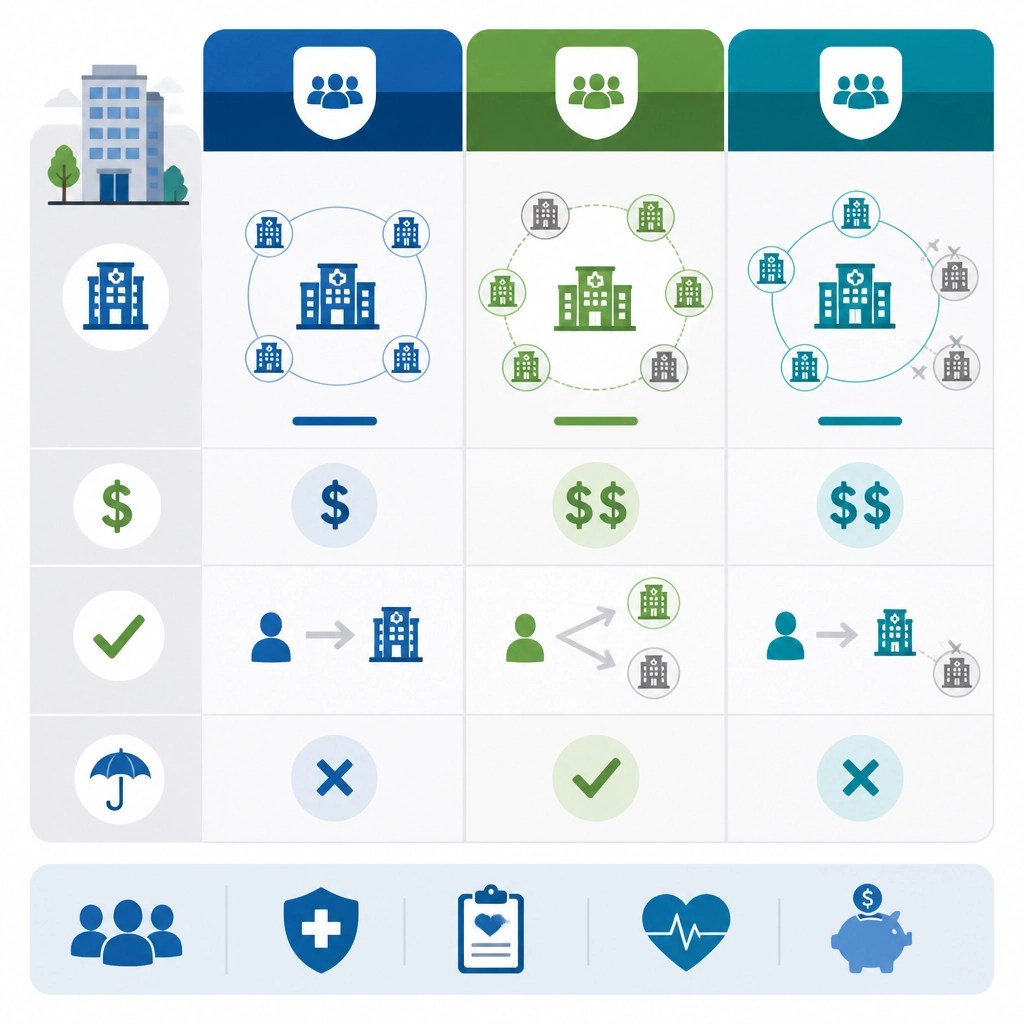
2. Level-Funded Plans: The Rising Trend
Level-funded plans have gained "serious traction" for 2026. This is a hybrid model that acts like a self-insured plan but feels like a fully-insured one. You pay a set monthly amount, which covers administrative fees, stop-loss insurance, and a claims fund.
The Benefit: If your employees are generally healthy and your claims are lower than expected at the end of the year, you might receive a refund or a credit toward next year's premiums.
The Risk: While your monthly payments are "leveled" (fixed), these plans often require medical underwriting (health questionnaires) for your staff, which isn't always a fit for every group.
3. ICHRA and QSEHRA (Defined Contribution)
Instead of choosing a specific plan for everyone, you give your employees a tax-free monthly allowance to buy their own insurance on the individual market.
- ICHRA (Individual Coverage Health Reimbursement Arrangement): Available to businesses of all sizes.
- QSEHRA (Qualified Small Employer HRA): Specifically for businesses with fewer than 50 employees that don't offer a group plan.
This model is excellent for controlling your budget because you decide the dollar amount. However, employees in New York must then navigate the NY State of Health Marketplace to select their own coverage. We’ve found that many employers prefer the traditional group model to ensure their team has a unified, high-quality experience. You can learn more about why some choose employer coverage over the marketplace here.
How to Maximize Savings in the New Year
Saving on health insurance doesn't always mean cutting benefits. In New York, there are several strategic ways to lower your net costs:
Utilize the NY State of Health SHOP
The Small Business Health Options Program (SHOP) allows you to compare certified plans side-by-side. Purchasing through SHOP can be a gateway to the Small Business Health Care Tax Credit. If you have fewer than 25 full-time equivalent employees and pay average annual wages below a certain threshold, you could get back up to 50% of the premiums you pay. For a deeper dive, check out our guide on the Small Business Health Care Tax Credit.
Strategize with Metal Tiers
New York plans are categorized into Bronze, Silver, Gold, and Platinum.
- Bronze/Silver: Lower monthly premiums but higher out-of-pocket costs (deductibles) for employees.
- Gold/Platinum: Higher premiums but very low out-of-pocket costs.
Many savvy owners offer a "Base" plan (Silver) and allow employees to "Buy-Up" to a Gold or Platinum plan if they choose, paying the difference themselves. This keeps your base cost stable while providing choices for your team.

Checklist: 5 Steps to Choose Your 2026 Plan
- Audit Your Current Spend: Look at your 2025 totals. Can your cash flow absorb a 13% increase? If not, it's time to shop around.
- Survey Your Team: Do your employees value a wide doctor network (PPO) or are they looking for lower monthly payroll deductions (HMO/Silver)?
- Check for Tax Credits: Visit the IRS page on Small Business Credits to see if you qualify.
- Consider Level-Funding: If you have a relatively young or healthy workforce, ask us about level-funded quotes. The potential for a year-end refund is a powerful incentive.
- Get a Comprehensive Review: Don't just look at the premium. Compare the "Formulary" (list of covered drugs) and the network of hospitals. A cheap plan isn't a "deal" if your employees' favorite doctors aren't included.
Why Personalized Support Matters
The healthcare market is full of automated "quote engines" that spit out numbers without context. At Super Senior Services, we take a different approach. We believe that transparency and trust are the foundation of a great partnership.
We don't just give you a spreadsheet; we walk you through the benefits of using the NY State of Health Marketplace and help you identify when you should avoid the marketplace in favor of private small-group rates. Our goal is to ensure your plan continues to meet your evolving needs year after year.

Choosing the best small business group health insurance in 2026 doesn't have to be overwhelming. With the right data, a clear understanding of the NY market, and a partner who cares about your bottom line, you can provide the "peace of mind" your employees deserve.
Ready to see how your current plan stacks up against the 2026 rates?
Let’s sit down for a comprehensive benefit review. We’ll help you navigate the 13% shifts, find hidden tax credits, and secure a plan that fits your lifestyle and your budget.
Contact Stephen Jackson and the Super Senior Services team today!
Compliance Information:
Individual NPN (Stephen Jackson): 20707378
Corporate NPN (Super Senior Services): 21536694
{“@type”:”BlogPosting”,”image”:”https://cdn.marblism.com/eCtGkCWdqu1.webp”,”author”:{“url”:”https://superseniorservices.com/contact”,”name”:”Stephen Jackson”,”@type”:”Person”},”@context”:”https://schema.org”,”headline”:”How to Choose the Best Small Business Group Health Insurance in 2026 (Compared)”,”publisher”:{“logo”:{“url”:”https://cdn.marblism.com/C0g4dPNXBgP.jpg”,”@type”:”ImageObject”},”name”:”Super Senior Services”,”@type”:”Organization”},”description”:”Discover how New York small businesses can navigate the 13% premium increases in 2026. Compare HMO, PPO, Level-Funded, and ICHRA options for your team.”,”datePublished”:”2026-06-19″,”articleSection”:”Business Health”,”mainEntityOfPage”:{“@id”:”https://superseniorservices.com/category/businesshealth”,”@type”:”WebPage”}}