
Category: Individual Health
If you heard that New York’s Essential Plan “went away” on July 1, 2026, you may be understandably worried. The good news is that the Essential Plan was not eliminated entirely.
What changed is the income limit.
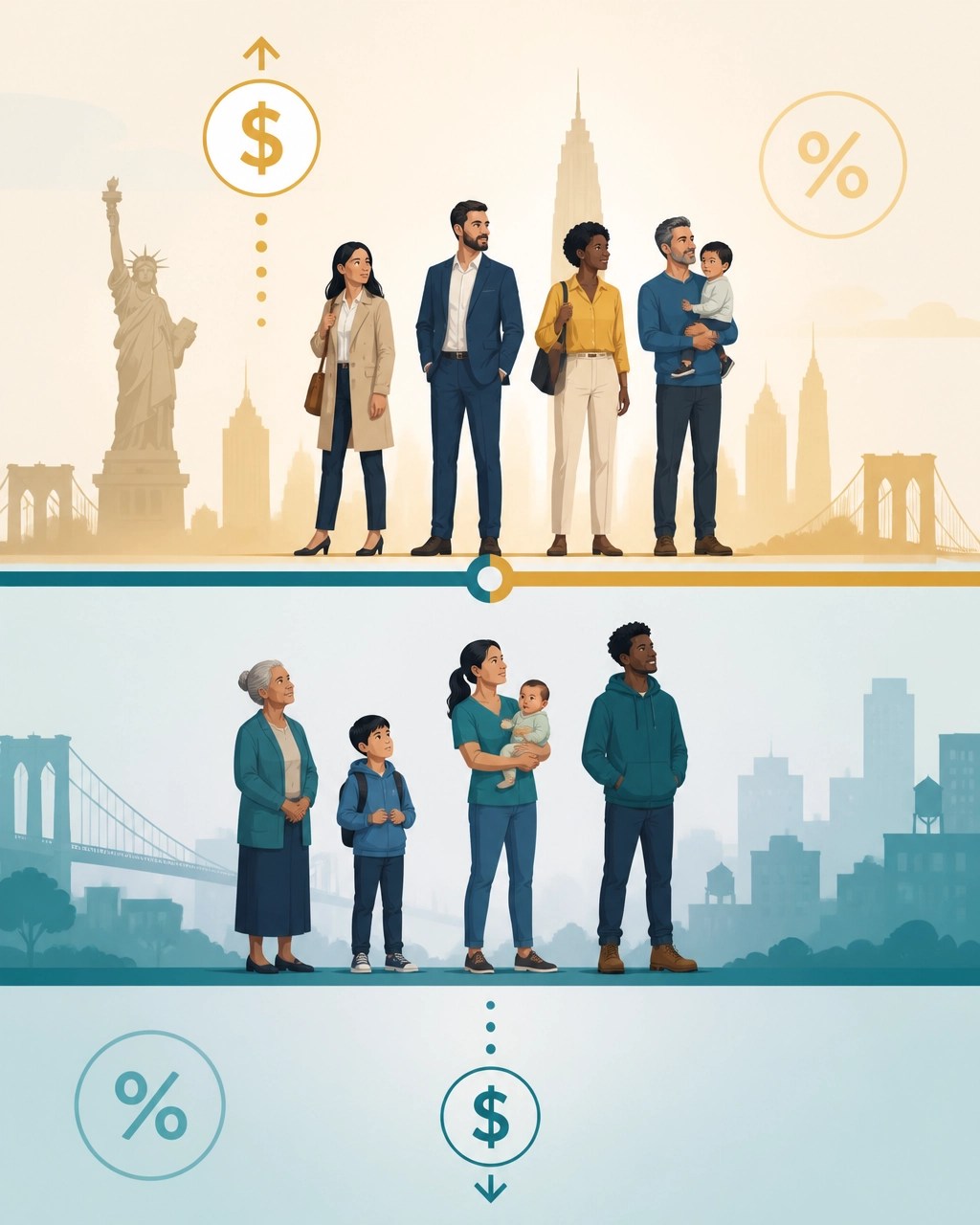
Starting July 1, 2026, New Yorkers with household income above 200% of the Federal Poverty Level (FPL) can no longer qualify for the Essential Plan. That change created a major coverage cliff for people who had been in the 200%-250% FPL tier.
However, the Essential Plan still serves New Yorkers with household income at or below 200% FPL. For eligible households, it remains a $0-or-low-premium option with no deductible and low copays.
So, where do you fit today?
This guide explains who still qualifies, who must use a Qualified Health Plan (QHP), what the income limits mean in real dollars, and what you can do if your income has changed since July.
“Losing health insurance can be stressful and confusing, and New Yorkers deserve clear, reliable information as they make decisions about their care.” : New York Attorney General Letitia James, June 2026 guidance
The Essential Plan Was Not Eliminated
New York’s Essential Plan continues under the state’s Basic Health Program authority for eligible residents with household income at or below 200% FPL.
That means you may still qualify if your projected annual household income falls within the remaining income range and you meet the other program requirements. You do not have to wait for the next open enrollment period to apply.
The Essential Plan can generally offer:
- $0 or low monthly premiums
- No deductible
- Low copays for covered services
- Access to essential health benefits
- Coverage through participating provider networks
- Year-round enrollment through NY State of Health
This is an important distinction: the Essential Plan continues for people at or below 200% FPL. The tier that ended was the 200%-250% FPL portion, which covered approximately 450,000 New Yorkers.
At Super Senior Services, we help you review your current income, household information, providers, prescriptions, and coverage needs so you can understand which option fits your situation today.
What the July 1 Coverage Cliff Changed
Before July 1, 2026, some New Yorkers with household incomes between 200% and 250% FPL could enroll in the Essential Plan.
That changed because of federal funding changes connected to H.R. 1 and the termination of New York’s Section 1332 waiver. As a result, Essential Plan eligibility for the 200%-250% FPL tier ended on June 30, 2026. The new eligibility limit took effect July 1.
The people affected were directed toward Qualified Health Plans through the NY State of Health Marketplace.
The transition Special Enrollment Period ran from May 16 through August 30, 2026. That period is now closed.
If you enrolled in a QHP during that transition period, review your plan documents carefully. Confirm your effective date, premium amount, provider network, prescription formulary, deductible, and out-of-pocket maximum.
If you did not enroll and your income remains above 200% FPL, your next step may be to use the 2027 open enrollment period: or apply through a new Special Enrollment Period if you experience another qualifying life event.
2026 Essential Plan Income Limits at a Glance
The table below shows approximate annual household income at 200% and 250% FPL for the household sizes most often used in marketplace applications.
| Household size | 200% FPL: Essential Plan income limit | 250% FPL: Former Essential Plan cliff range |
|---|---|---|
| One person | $31,920 | $39,900 |
| Two people | $43,280 | $54,100 |
| Three people | $54,640 | $68,300 |
| Four people | $66,000 | $82,500 |
Here is how to read the table:
- A one-person household earning approximately $31,920 or less may still qualify for the Essential Plan.
- A two-person household earning approximately $43,280 or less may still qualify.
- A three-person household earning approximately $54,640 or less may still qualify.
- A four-person household earning approximately $66,000 or less may still qualify.
- Income above the 200% figure generally moves you out of Essential Plan eligibility and into QHP eligibility.
These are annual household income figures, not monthly wages. Marketplace eligibility is based on information such as household size and projected income for the coverage year. If your income varies because you work seasonally, freelance, receive commissions, or recently retired, estimating accurately becomes especially important.
A personalized benefit review can help you avoid using an outdated income estimate. That matters because a change of even a few hundred dollars per month may affect which program you qualify for and how much financial assistance you receive.
Who Still Qualifies for the Essential Plan?
You may still qualify for the Essential Plan if your current household income is at or below 200% FPL and you meet the program’s other eligibility requirements.
For example, a single New Yorker whose projected annual household income is approximately $29,000 may still be within the Essential Plan income range. A family of four with projected annual household income of approximately $60,000 may also remain below the $66,000 threshold.
Because Essential Plan enrollment is available year-round, you do not necessarily have to wait until November to apply.
This is particularly important if your financial situation changed after July 1. Consider updating your application if you experienced:
- Job loss
- Reduced work hours
- A lower salary
- Retirement
- A seasonal employment change
- Loss of freelance or contract income
- A change in household size
- A significant reduction in business income
If your household income dropped below 200% FPL, updating your NY State of Health application may open the door back to the Essential Plan.
That possibility is easy to miss. Many people assume that once they moved out of the Essential Plan, they cannot return. But eligibility can change when your income changes.
Who Must Use a Qualified Health Plan?
If your household income is above 200% FPL, a Qualified Health Plan through NY State of Health is generally the main individual coverage option.
A QHP is a Marketplace-certified insurance plan that provides essential health benefits and follows federal limits for cost-sharing, including deductibles, copayments, and out-of-pocket maximums. You can read the official HealthCare.gov definition of a Qualified Health Plan.
QHPs may have higher premiums and deductibles than the Essential Plan. However, financial assistance can make a meaningful difference.
Advance Premium Tax Credits
An Advance Premium Tax Credit, or APTC, reduces your monthly health insurance premium. The amount depends on factors such as your household income, household size, and the cost of available Marketplace plans.
For example, if a plan costs $600 per month and you qualify for a $350 monthly tax credit, your estimated premium could fall to $250 per month.
The credit is applied in advance to lower your monthly bill. You can review the official HealthCare.gov premium tax credit glossary or read Super Senior Services’ premium tax credit explainer.
Keep your income estimate updated. If your actual annual income is higher than expected, the tax credit may need to be reconciled when you file your federal tax return.
Cost-Sharing Reductions
Some households may also qualify for cost-sharing reductions, or CSRs, when they choose a Silver-level QHP.
CSRs can lower what you pay when you receive care by reducing deductibles, copayments, coinsurance, or out-of-pocket costs. In practical terms, a Silver plan with cost-sharing reductions may be more affordable when you regularly visit doctors, take prescriptions, or need specialist care.
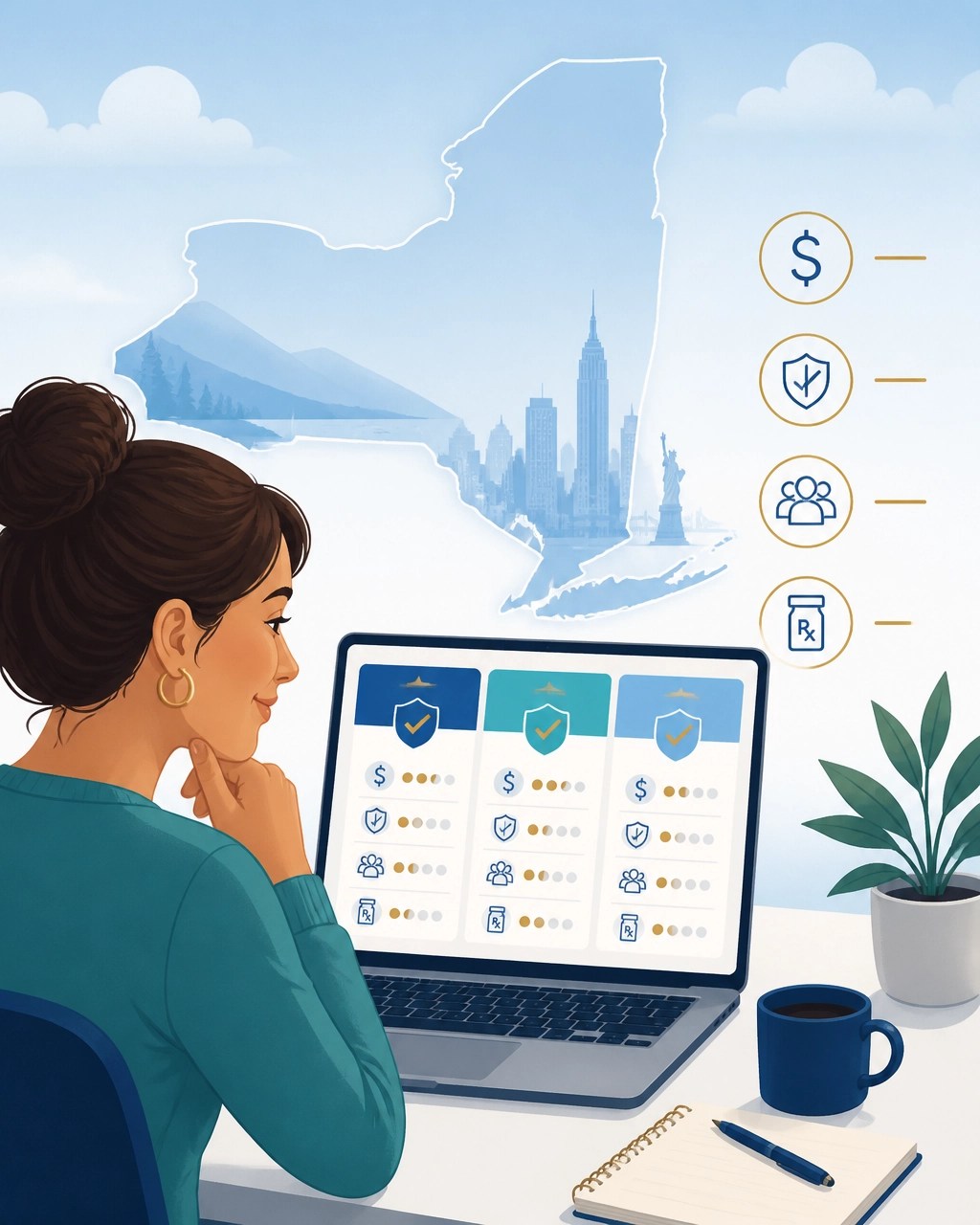
The lowest monthly premium is not always the lowest overall cost. A side-by-side review should consider both your premium and your expected use of healthcare services.
What If Your Income Dropped After July 1?
This is one of the most important questions to ask right now.
Suppose your income was $36,000 earlier in the year, placing you in the former 200%-250% FPL range as a one-person household. You may have lost Essential Plan eligibility on July 1.
But then your hours were reduced, you lost your job, or you retired. If your updated projected annual income is now below approximately $31,920, you may be eligible for the Essential Plan again.
The practical steps are straightforward:
- Log in to your NY State of Health account.
- Update your household income and employment information.
- Confirm your household size and tax-filing information.
- Review the eligibility result.
- Compare the Essential Plan or QHP options presented.
- Check your doctors, hospitals, medications, and expected healthcare needs.
Do not assume your previous eligibility decision is permanent. Your application should reflect your current projected circumstances.
Super Senior Services can help you organize the information, review available choices, and compare coverage based on your lifestyle and budget.
The 2027 Open Enrollment Dates to Know
If your income is above 200% FPL and you do not currently have a Special Enrollment Period, mark these dates:
- November 1, 2026: 2027 open enrollment begins
- December 15, 2026: Deadline to select a plan for January 1, 2027 coverage
- January 1, 2027: Coverage begins for plans selected by the December 15 deadline
- January 31, 2027: 2027 open enrollment ends
If you enroll after December 15 but before January 31, your coverage will generally begin later, subject to NY State of Health enrollment rules.
The transition Special Enrollment Period connected to the Essential Plan change ended August 30, 2026. However, other qualifying life events may still create a new Special Enrollment Period.
Qualifying Life Events May Open Enrollment Before November
You may be able to enroll in a QHP before the 2027 open enrollment period if you experience a qualifying life event.
Common examples include:
- Losing other health coverage
- Moving to New York or to a new coverage area
- Getting married
- Having a baby
- Adopting a child
- A significant change in household circumstances
- Certain changes in income or eligibility
A qualifying event usually comes with a limited enrollment window, so timing matters. Gather documentation quickly, including proof of prior coverage, a new address, marriage certificate, birth record, or other requested information.

Your Essential Plan and QHP Action Checklist
Use this checklist to identify your next step:
- Confirm your current household size.
- Estimate your total 2026 household income.
- Compare your income with the 200% FPL amount.
- Determine whether your Essential Plan coverage ended June 30, 2026.
- Check whether you enrolled in a QHP during the May 16-August 30 transition period.
- If income dropped, update your NY State of Health application now.
- If income is above 200% FPL, review QHP premium assistance.
- Compare Silver plans for possible cost-sharing reductions.
- Verify doctors, hospitals, pharmacies, and prescriptions.
- Mark December 15, 2026, if you want January 1, 2027 coverage.
- Contact a trusted enrollment professional if the choices are unclear.
You Still Have Options
The Essential Plan cliff changed the path for many New Yorkers, but it did not eliminate affordable individual coverage.
If your income is at or below 200% FPL, the Essential Plan may still be available year-round. If your income is above 200% FPL, a QHP: with possible Advance Premium Tax Credits and Silver-plan cost-sharing reductions: may be the right direction.
The key is to use current information. Your income, household, doctors, prescriptions, and budget all matter.
Super Senior Services provides personalized benefit reviews, side-by-side comparisons of trusted plans, and clear guidance for New York residents affected by the Essential Plan changes. We help simplify the process, explain the costs, and support you in choosing coverage that protects both your health and your financial stability.
Contact Super Senior Services for personalized guidance or explore individual health insurance support.
Compliance note: Individual NPN: Stephen Jackson: 20707378. Corporate NPN: Super Senior Services: 21536694.