
Category: individualhealth
As of August 22, 2026, there is one week left for New Yorkers affected by the Essential Plan coverage cliff to choose a new Qualified Health Plan (QHP) and request coverage retroactive to July 1, 2026.
This deadline matters. If you were enrolled in the Essential Plan’s 200–250% Federal Poverty Level (FPL) income bracket, your coverage ended July 1 because of changes to the program. Enrolling through NY State of Health by August 30, 2026 is the only way to request that your new QHP coverage be backdated to July 1.
That could help protect you from a costly coverage gap, especially if you received medical care, filled prescriptions, or paid healthcare bills during July or August.
Let’s walk through your final-week checklist.
First, confirm whether you are affected
Approximately 450,000 New Yorkers are impacted by the Essential Plan change. You may be part of this group if:
- You were enrolled in the Essential Plan before July 1, 2026.
- Your household income was between 200% and 250% of the FPL.
- You are not eligible for Medicaid, employer-sponsored coverage, or another public health program.
- Your Essential Plan notice stated that your coverage would end on July 1.
For 2026, the income ranges commonly associated with this transition include:
- One-person household: approximately $31,920–$39,900
- Two-person household: approximately $43,280–$54,100
- Three-person household: approximately $54,640–$68,300
- Four-person household: approximately $66,000–$82,500
Your eligibility depends on more than income alone. Household size, tax-filing information, immigration status, access to other coverage, and updated income estimates can all affect your results.
If your income has changed since you first enrolled, do not rely on an old application. Update your information and let NY State of Health calculate your current eligibility.
Your next step: Find your Essential Plan notice and compare the income information listed there with your best estimate of your 2026 household income. If the numbers are close to the 200% or 250% FPL thresholds, get help before selecting a plan.
“Losing health insurance can be stressful and confusing, and New Yorkers deserve clear, reliable information as they make decisions about their care,” said Attorney General Letitia James. Read the New York Attorney General’s guidance.
Why August 30 is the date you cannot ignore
The loss of Essential Plan coverage creates a Special Enrollment Period (SEP) for affected New Yorkers. This gives you a limited opportunity to enroll in a QHP outside the usual Open Enrollment Period.
However, the special flexibility does not last indefinitely.
If you enroll by August 30, 2026, you can request that your new QHP coverage be made effective retroactively to July 1, 2026. If approved and processed, eligible healthcare expenses from that date may be handled under your new plan.
That may include services such as:
- Doctor visits
- Urgent care
- Hospital care
- Lab work
- Mental health services
- Covered prescription medications
- Other eligible services under your selected QHP
Retroactive coverage does not mean every bill will automatically be paid. Your care must be covered by the plan, providers may need to resubmit claims, and you may need to provide receipts or explanations of benefits. Still, requesting the July 1 effective date can make a major difference to your financial stability.
Keep copies of:
- Medical bills from July 1 forward
- Pharmacy receipts
- Explanation of Benefits statements
- Provider invoices
- Essential Plan termination notices
- NY State of Health eligibility notices
- Your QHP enrollment confirmation
Your next step: When completing your enrollment, clearly ask about requesting a July 1, 2026, retroactive effective date. Do not assume the system or insurer will automatically apply it.
Your final-week enrollment checklist

1. Review every notice
Read your NY State of Health and former insurer notices carefully. Look for:
- The date your Essential Plan ended
- Your new eligibility determination
- Your Special Enrollment Period dates
- Instructions for moving to a QHP
- Any documents NY State of Health still needs from you
If you cannot find your notice, log in to your NY State of Health account or call the Marketplace at 1-855-355-5777.
2. Update your income and household information
Your QHP financial assistance is based on your projected annual household income, often called Modified Adjusted Gross Income (MAGI).
Gather recent documents such as:
- Pay stubs
- Tax returns
- W-2 or 1099 forms
- Unemployment benefit information
- Pension or other income statements
- Self-employment income and expense records
An accurate estimate can help you receive the right amount of premium tax credit. This credit lowers your monthly premium, sometimes substantially.
For example, a plan priced at $500 per month could cost much less after an advance premium tax credit is applied. Your actual savings will depend on your income, household size, location, and available plans.
Report major changes promptly. A new job, income increase, marriage, divorce, or change in household size can affect both your premium tax credit and your plan eligibility.
3. Compare more than the monthly premium
A low premium is helpful, but it is only one part of the cost.
Compare:
- Monthly premium after financial assistance
- Annual deductible
- Primary care copay
- Specialist copay
- Prescription drug costs
- Emergency room and urgent care costs
- Coinsurance, which is the percentage of a covered bill you pay after meeting your deductible
- Annual out-of-pocket maximum
A plan with a $25 monthly premium may have a much higher deductible than a plan with a $75 premium. Conversely, paying a little more each month could reduce your cost when you need medical care.
Look at the total cost estimate, not just the premium. The Healthcare.gov glossary provides plain-language definitions for terms such as deductibles, coinsurance, premiums, formularies, and out-of-pocket maximums.
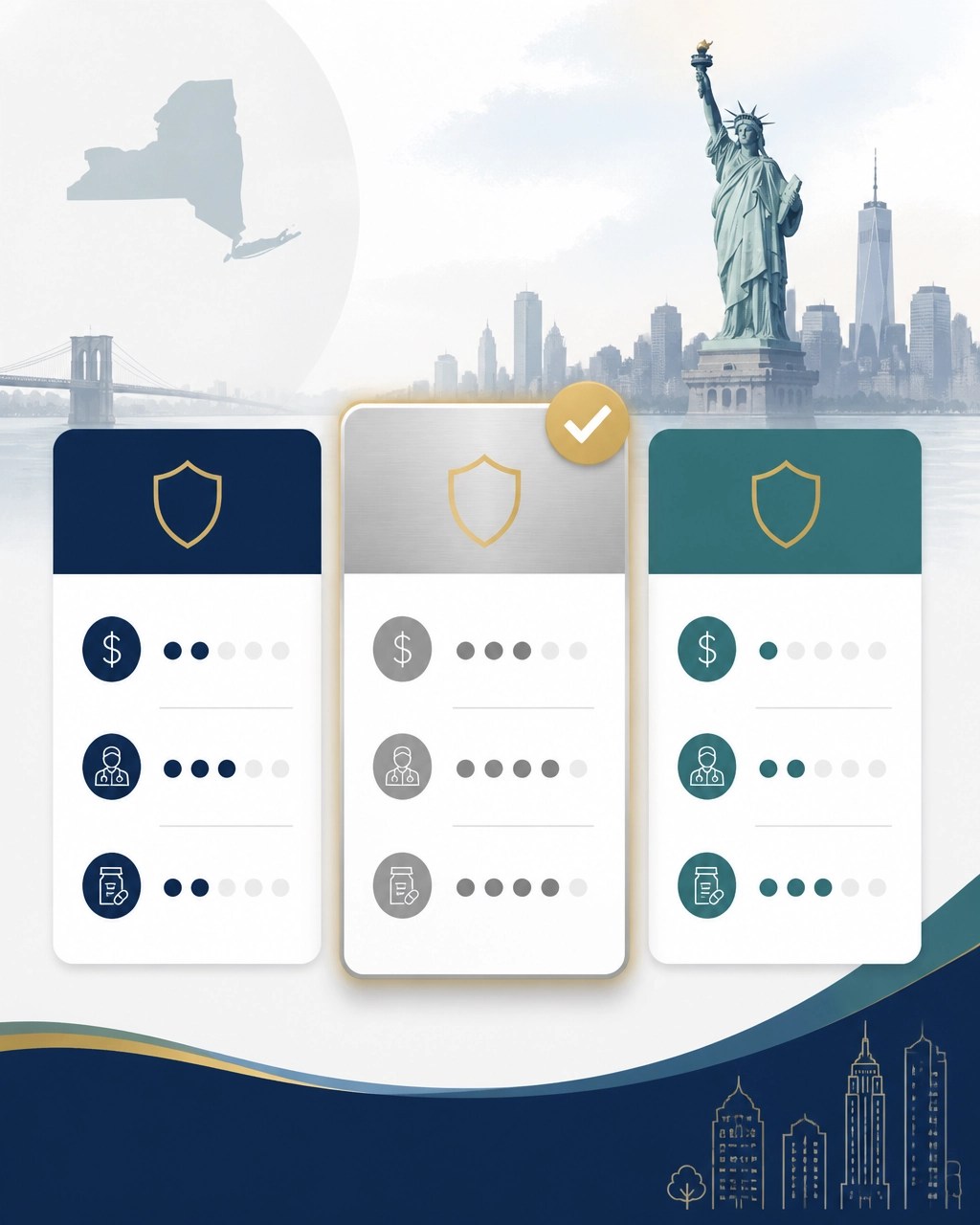
4. Pay close attention to Silver plans
If your household income is between 200% and 250% of the FPL, you may qualify for cost-sharing reductions (CSRs) when you enroll in a Silver plan.
A cost-sharing reduction can lower your deductible, copays, coinsurance, and annual out-of-pocket maximum. In practical terms, it can make the plan more affordable when you actually use healthcare.
CSRs generally are not available with Bronze, Gold, or Platinum plans. They are tied to eligible Silver plan enrollment. You can learn more about this assistance through the Healthcare.gov cost-sharing reduction glossary.
Do not automatically choose a Bronze plan simply because its premium looks lower. If you qualify for CSRs, a Silver plan may provide better overall value and stronger financial protection.
5. Check your doctors, hospitals, and prescriptions
Before enrolling, verify that your important providers participate in the plan’s network.
Check:
- Primary care doctor
- Specialists
- Preferred hospital
- Urgent care locations
- Behavioral health providers
- Pharmacies
- Ongoing prescriptions
Your plan’s formulary is the list of prescription medications it covers. A drug may be covered but placed on a higher tier, meaning you pay more. You can review the Healthcare.gov definition of a formulary and then check the specific plan’s drug list.
Network rules also matter. An HMO, PPO, EPO, or POS plan may handle out-of-network care differently. Confirm the rules before enrolling, particularly if you have regular appointments or planned treatment.
6. Submit the enrollment and pay the first premium
Selecting a plan is not the same as completing enrollment.
After you choose your QHP:
- Submit the application through NY State of Health.
- Confirm that the enrollment status shows as complete.
- Save or print the confirmation page.
- Review the requested effective date.
- Ask about retroactive coverage to July 1.
- Watch for instructions from the insurer.
- Pay the first premium by the insurer’s deadline.
Your coverage may not be fully activated until the first premium is paid. A missed payment can delay enrollment or create another coverage problem.
Your next step: Finish the process as early as possible. Do not wait until August 30, when website traffic, missing documents, or payment delays could make the deadline harder to meet.
What happens if you miss August 30?
If you do not complete QHP enrollment by August 30, you may lose the ability to request retroactive coverage back to July 1.
That could leave you responsible for medical expenses incurred during the gap. You may also be unable to enroll in a Marketplace plan until the next Open Enrollment Period unless you experience another qualifying life event.
A future qualifying event could include losing other qualifying coverage, moving, getting married, or having a baby. But you should not count on another event becoming available. The safest way to protect your coverage and your budget is to act during the current SEP.
If you have already started an application but have not submitted your plan choice, call NY State of Health or speak with a qualified enrollment professional immediately.
How Super Senior Services can help you move forward

This transition can feel like a lot, especially when you are comparing premiums, deductibles, networks, formularies, and retroactive coverage rules under time pressure.
Super Senior Services helps New York residents simplify the process by:
- Reviewing your Essential Plan notice
- Estimating your household income and eligibility
- Comparing QHP options in your area
- Identifying potential premium tax credits
- Reviewing Silver plan cost-sharing reductions
- Checking provider networks and prescription formularies
- Helping you understand effective dates
- Guiding you through enrollment and first-premium payment
Our goal is straightforward: help you choose coverage that supports your health, your budget, and your peace of mind.
Super Senior Services’ individual health insurance assistance for New York residents is associated with Individual NPN Stephen Jackson: 20707378 and Corporate NPN Super Senior Services: 21536694.
You still have one week. Start by reviewing your notice, updating your NY State of Health account, and comparing your options. For personalized help, contact Super Senior Services or get started with coverage guidance. We are here to help you take the next step with clarity and confidence.