As a small business owner in New York, you know that your team is your most valuable asset. But as we head into 2026, keeping that team healthy and happy is becoming a bit more of a financial puzzle. With average small-group premiums in New York projected to rise by approximately 13%, and some carriers pushing for increases over 20%, choosing the right health insurance isn't just a "check-the-box" task anymore. It’s a critical business decision.
The 2026 landscape is unique. We’re seeing a shift in how care is delivered, from the explosion of telehealth and mental health services to the rising costs of specialty medications like GLP-1s. If you’re feeling a bit overwhelmed by the options, you’re not alone. At Super Senior Services, we specialize in helping New York businesses navigate these complex waters to find coverage that actually fits their budget and their employees' lives.
"Providing health insurance is no longer just a benefit; it’s a strategy for stability in an unpredictable market."
In this guide, we’ll break down exactly how to compare plans for 2026, how to qualify for massive tax credits, and why New York’s "Small Group" rules might offer you more flexibility than you realize.
Understanding the New York "Small Group" Landscape
In most states, "small group" insurance applies to businesses with up to 50 employees. However, New York does things a little differently. In the Empire State, the small-group market includes businesses with 1 to 100 full-time equivalent (FTE) employees.
This is actually great news for mid-sized New York businesses. It means if you have 75 employees, you still benefit from "community rating" rules. This prevents insurance companies from charging you more based on the health status of your specific employees. Everyone in the small-group pool is essentially in it together, which provides a level of financial predictability that larger corporations don't always have.
Whether you are a startup in Brooklyn or a growing firm in Albany, understanding your FTE count is step one. You can use tools on CMS.gov to help calculate your exact FTE if you have several part-time staffers.
2026 Trends: What’s Changing in Employee Coverage?
When comparing plans for 2026, you’ll notice a few new priorities appearing in the fine print.
1. The "Whole Person" Approach
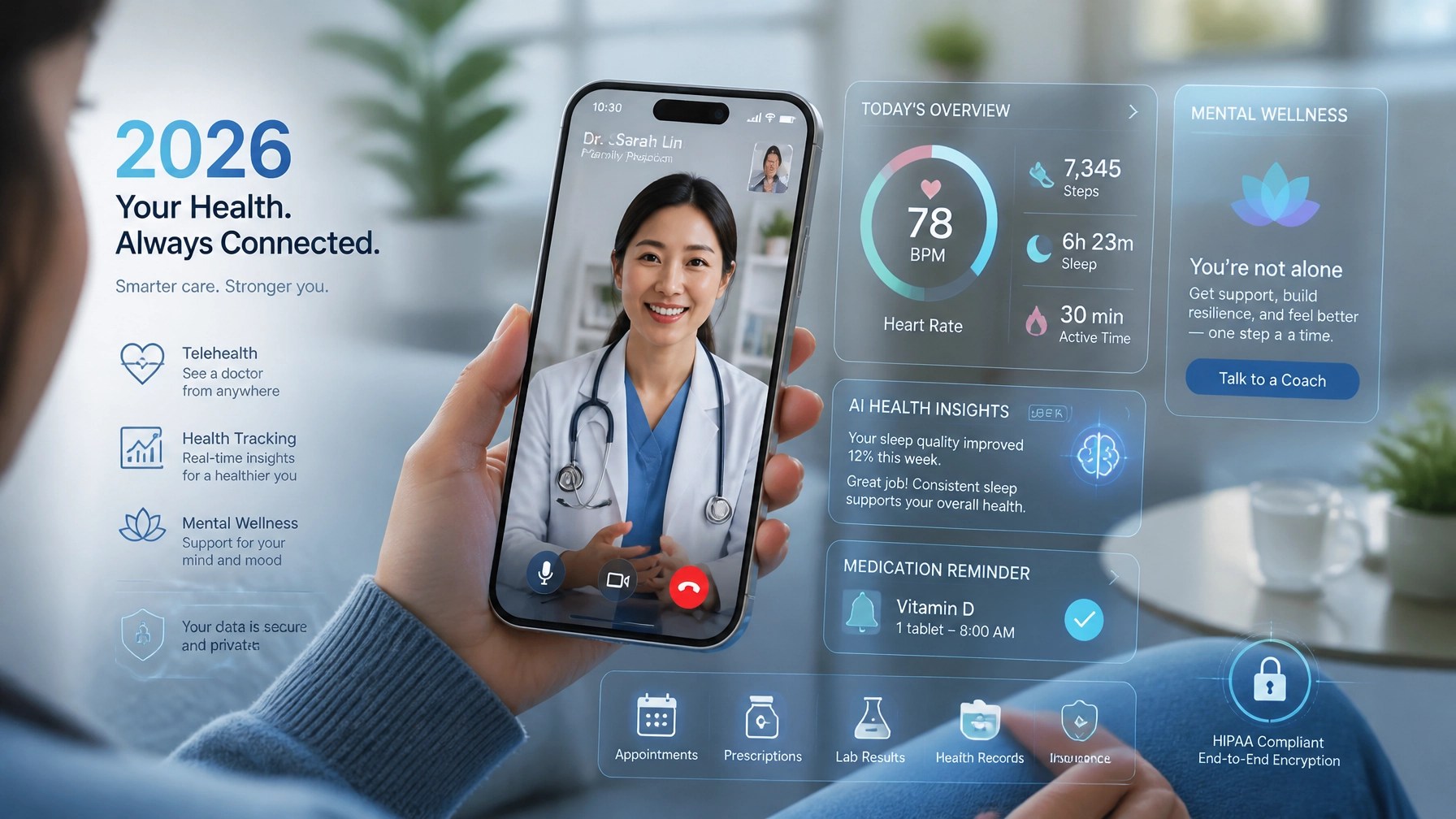
In 2026, health insurance is moving beyond just doctor visits. Most top-tier plans now integrate robust mental health and wellness benefits as standard features. This includes 24/7 access to therapists via app-based platforms and stress-management tools.
2. Telehealth is the New Standard
Virtual care is no longer a "perk", it’s a requirement. Plans that offer $0 or low-cost telehealth visits are becoming the "Best Value" picks for 2026 because they keep employees from missing work for minor issues while keeping out-of-pocket costs low.
3. The GLP-1 Factor
You’ve likely heard of weight-loss and metabolic medications like Ozempic or Wegovy. For 2026, insurance carriers are adjusting their formularies (the list of covered drugs) to manage the high costs of these medications. When comparing plans, it is vital to look at the prescription drug tiers to see how "specialty" drugs are handled.

Comparing Plan Types: HMO vs. PPO vs. EPO
Not all plans are created equal. In New York, the three most common structures you’ll encounter are HMOs, PPOs, and EPOs. Here is how they stack up for 2026:
| Plan Type | Flexibility | Cost (Premiums) | Out-of-Network Coverage? |
|---|---|---|---|
| HMO (Health Maintenance Organization) | Low (Needs Referrals) | Lowest | No (Except Emergencies) |
| PPO (Preferred Provider Organization) | High (No Referrals) | Highest | Yes |
| EPO (Exclusive Provider Organization) | Medium | Moderate | No |
- HMOs are excellent for businesses looking to keep premiums as low as possible. They require employees to choose a Primary Care Physician (PCP) who acts as a "gatekeeper" for specialists.
- PPOs are the gold standard for employee retention. They allow your team to see almost any doctor they want without a referral. In a competitive NY job market, a PPO can be a major recruiting tool.
- EPOs are a popular "middle ground" in New York. They function like a PPO (no referrals needed) but won't pay for any care received outside of the network.
If you’re unsure which structure fits your team, check out our Small Business Group Health Insurance 101 guide for a deeper dive.
NY State of Health vs. The Private Market
When you buy health insurance in New York, you have two main paths: the NY State of Health (NYSOH) Small Business Marketplace or the Private (Off-Exchange) Market.
The NY State of Health (NYSOH)
The Marketplace is often the best starting point because it allows you to compare plans from twelve different insurers side-by-side. Most importantly, it is the only place where you can access the federal Small Business Health Care Tax Credit. We've written extensively about the benefits of using the NY State of Health marketplace if you want to explore this option further.
The Private Market
Some high-end carriers or specific "niche" networks are only available off-exchange. If your employees live in very specific regions or require access to a specific hospital system that isn't on the Marketplace, we might look at private options together.

The 2026 Tax Credit: Can You Save 50%?
The most powerful tool for small businesses in 2026 remains the Federal Small Business Health Care Tax Credit. This credit can refund up to 50% of the premiums you pay for your employees (35% for non-profits).
To qualify, you generally need to meet these criteria:
- Fewer than 25 FTEs: The smaller you are, the bigger the credit.
- Average Wages: Your average annual employee wage must be below a certain threshold (usually in the mid-$50,000s, adjusted for inflation in 2026).
- The 50% Rule: You must pay at least 50% of the premium cost for employee-only coverage.
- Buy through NYSOH: You must purchase your plan via the NY State of Health Marketplace.
You claim this credit using IRS Form 8941. For many of our clients, this credit is the difference between offering a "budget" plan and offering a "great" plan. For more details on the math, read our post on saving with the Small Business Health Care Tax Credit.
Your 5-Step Selection Checklist for 2026
Choosing the "best" plan isn't about finding the cheapest one: it's about finding the best value. Use this checklist:
- Survey Your Team: Do your employees prefer lower monthly premiums (Bronze/Silver plans) or lower costs when they go to the doctor (Gold/Platinum plans)?
- Check the Networks: Are your employees' favorite doctors and local hospitals (like NYU Langone or Mount Sinai) in the network?
- Model the Total Cost: Don't just look at premiums. Calculate the "Total Cost per Employee" including deductibles and out-of-pocket maximums.
- Analyze the "Metal Tiers": In 2026, many NY businesses are finding that Silver plans offer the best balance of monthly cost and usable benefits.
- Evaluate Ancillary Benefits: Can you bundle dental and vision? Often, adding these costs just a few extra dollars but significantly increases the perceived value of your benefits package.
Why Partner with Super Senior Services?
Navigating the New York health insurance market can feel like a full-time job. Between premium hikes and changing regulations, it’s easy to feel like you’re overpaying for a plan that doesn't quite fit.
At Super Senior Services, we don't just give you a list of quotes. We provide a comprehensive benefit review. We look at your employee demographics, your budget, and your business goals to recommend a plan that maximizes your tax credits and minimizes your stress.
We serve small businesses across the entire state of New York, providing the personalized support you need to make an informed decision for 2026 and beyond.
"Our goal is to simplify the complex so you can focus on what you do best: running your business."
Ready to find the right plan for your team?
Don't wait for your renewal notice to arrive with a 13% surprise. Let’s start looking at your options today. We can help you compare group rates through the NY State of Health or find private solutions that fit your unique needs.
Contact Stephen Jackson and the Super Senior Services team here to get started!
Compliance Information:
Individual NPN (Stephen Jackson): 20707378
Corporate NPN (Super Senior Services): 21536694
Note: Business Health and Individual Health insurance services provided by Super Senior Services are strictly limited to New York residents and New York-based businesses.
{“@type”:”BlogPosting”,”image”:”https://cdn.marblism.com/FrWGMOWTcEG.webp”,”author”:{“url”:”https://superseniorservices.com”,”name”:”Stephen Jackson”,”@type”:”Person”},”@context”:”https://schema.org”,”headline”:”How to Choose the Best Small Business Group Health Insurance (Compared for 2026)”,”keywords”:[“Small Business Health Insurance NY 2026″,”NY State of Health Small Business”,”Group Health Insurance Comparison”,”Small Business Tax Credit 2026″],”publisher”:{“logo”:{“url”:”https://superseniorservices.com/logo.png”,”@type”:”ImageObject”},”name”:”Super Senior Services”,”@type”:”Organization”},”description”:”A comprehensive guide for New York small business owners on choosing group health insurance for 2026, including premium trends, plan comparisons (HMO vs PPO), and tax credit eligibility.”,”datePublished”:”2026-05-29″,”articleSection”:”Business Health”}